
I want to be upfront about something before I get into this one: I use AI tools in my own workflow, more than a few designers would probably admit out loud. I use them for research, for quick mockup placeholders, for automation work on the other side of what I do. So this isn’t a “get off my lawn” post about AI in general. It’s specifically about why AI-generated imagery, as it stands right now, isn’t a real substitute for custom illustration in a brand identity — and I think that distinction gets lost a lot.
Here’s the honest case for why:
- AI-generated images can’t be trademarked the same way custom work can, in a lot of jurisdictions, because of how copyright law treats AI-generated content. If your logo or key brand illustration was AI-generated, you may not actually have solid legal ownership over it — which is a genuinely big deal for something you’re planning to build a business identity around for years.
- There’s no real guarantee of originality. AI image tools are trained on massive datasets of existing art, and there’s a real, documented risk of outputs that are uncomfortably close to existing copyrighted work, sometimes close enough to cause actual legal trouble. You don’t want to find that out after you’ve already printed a run of packaging.
- The small details still give it away. Hands, text, the logic of how objects sit in space — AI image generation has gotten remarkably good, but it still stumbles in ways that a trained eye (and increasingly, an untrained one) can spot. A slightly-off illustration on your homepage isn’t a huge deal. A slightly-off illustration as your actual brand mark, seen thousands of times by your customers, is a different story.
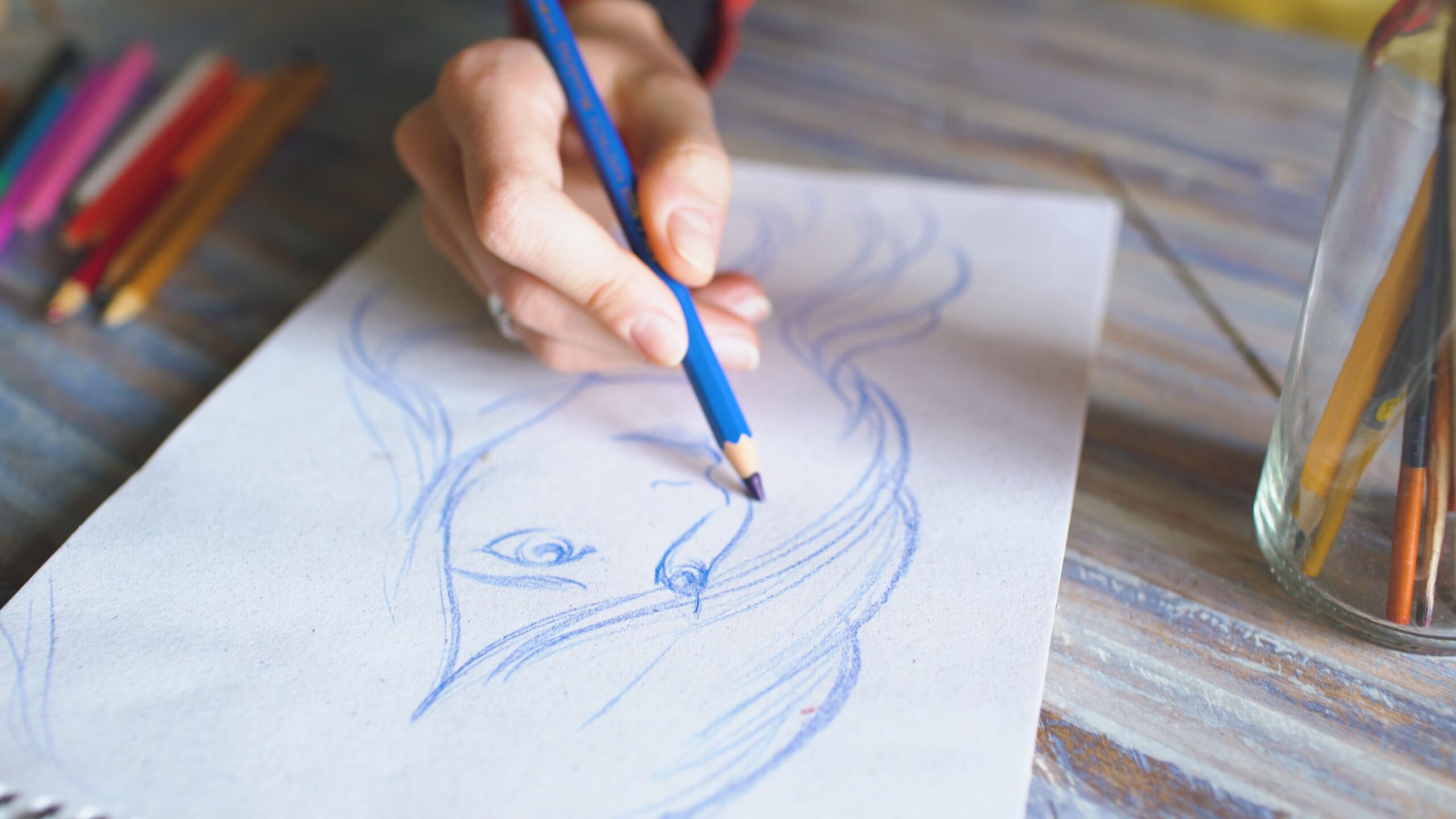
- It can’t make deliberate, meaning-loaded choices the way a human illustrator can. A good custom illustration isn’t just “a nice picture” — every line weight, every color choice, every bit of negative space is a decision made in service of the brand it belongs to. AI generation optimizes for “looks plausible,” not “means something specific to this business.”
- Consistency across a whole brand system is genuinely hard to get from AI tools. Ask for the same illustration style five different times, for five different pieces of a brand system, and you’ll often get five subtly different styles back. A human illustrator builds and maintains one coherent style on purpose, across everything.
None of this is a knock on AI as a category of tool — I think that’s a lazy, overly simple take, and honestly a bit hypocritical coming from someone actively building AI automations for clients on the other half of this business. The distinction I’d draw is between AI as a tool that supports a creative process (research, quick concepting, exploring an idea fast before committing real time to it) versus AI as the actual final creative output sitting at the center of a brand people are supposed to trust for years.
For the quick internal mockup, the placeholder image while you’re waiting on real photography, the fast draft to react to in a meeting? Sure, AI tools can genuinely help there, and I use them that way myself. For the actual mark that goes on your storefront, your packaging, your business cards, the thing customers will see hundreds of times and start to recognize instinctively? That one’s still worth a real person’s hand and a real person’s judgment behind it.
I’ll add one more nuance here, because I don’t think this is a permanently fixed line — the technology is moving fast, and I’d be lying if I said today’s limitations will definitely still be true in a few years. What I do think will remain true regardless of how good the tools get: the ownership and legal questions aren’t primarily technical problems that better models will simply solve. They’re legal and philosophical questions about authorship, and those move a lot slower than the technology itself, and often depend on court cases and legislation that haven’t even happened yet. That’s a genuinely important distinction — even a perfect, indistinguishable-from-human AI illustration doesn’t automatically resolve the question of who actually owns it, or whether it’s safely trademarkable.
So my actual, practical advice for right now isn’t “never use AI-generated imagery for anything.” It’s “know exactly which category of use you’re in before you commit.” A quick internal mockup, a mood board reference, a placeholder while you wait on the real thing — low stakes, use whatever tool helps you move fast. Your actual, permanent, trademark-worthy brand mark, the one you’re building a business identity around for the next decade? That one’s worth the extra care, and right now, that still means a real illustrator’s hand and judgment behind it.